
Plant list
Lifeint has undertaken EV isolation or testing projects involving hundreds of medicinal plant species. Selected plant names and sample images are included in the expandable plant-source reference material at the end of this page.
Precautions
1. EV isolation methods
Plant EVs are commonly collected from plant juice, culture supernatant or tissue digest. The source recommends avoiding high-shear processing, such as household blenders or herbal grinders, because it can break cells and reduce EV purity. It describes gentler approaches:
Plants that yield juice readily: Cut the plant material and gently press it through gauze, then isolate EVs from the juice.
Plants that are difficult to juice: Cut the material into small pieces, digest with plant pectinase, cellulase or related enzymes, remove tissue debris and isolate EVs from the supernatant.
Tissue culture: Culture plant tissue or cells in an appropriate medium, then isolate EVs from the culture supernatant.
Dense tissues: For tissues such as roots or trunks, the source describes freezing in liquid nitrogen and grinding to improve isolation efficiency.
2. Plant origin and storage:
Plant origin, including location, season and plant part, may affect EV properties. To support reproducibility of functional experiments, the source recommends consistent origin, fresh processing and batch preparation sufficient for the required quantity and quality.
3. Plant EV omics:
Plant EVs can be studied using miRNA, lncRNA and mRNA sequencing, proteomics, metabolomics and lipidomics. For small EV yields, the source recommends low-input nucleic-acid extraction and library preparation. Before analysis, identify the plant’s Latin scientific name and check available databases. Examples include:
If a species-specific miRNA database is unavailable, compare against a broader plant reference database;
For mRNA, use de novo assembly;
For proteomics, use information from related species together with mRNA transcript information.
4. Large-scale plant EV isolation:
The source describes tissue digestion followed by ultracentrifugation for small-scale extraction. For larger volumes, it suggests membrane filtration and column chromatography, including tangential-flow concentration and size exclusion. Lifeint reports developing a ceramic membrane, tangential-flow and column-based system able to process tens of liters of supernatant per run for batch preparation.

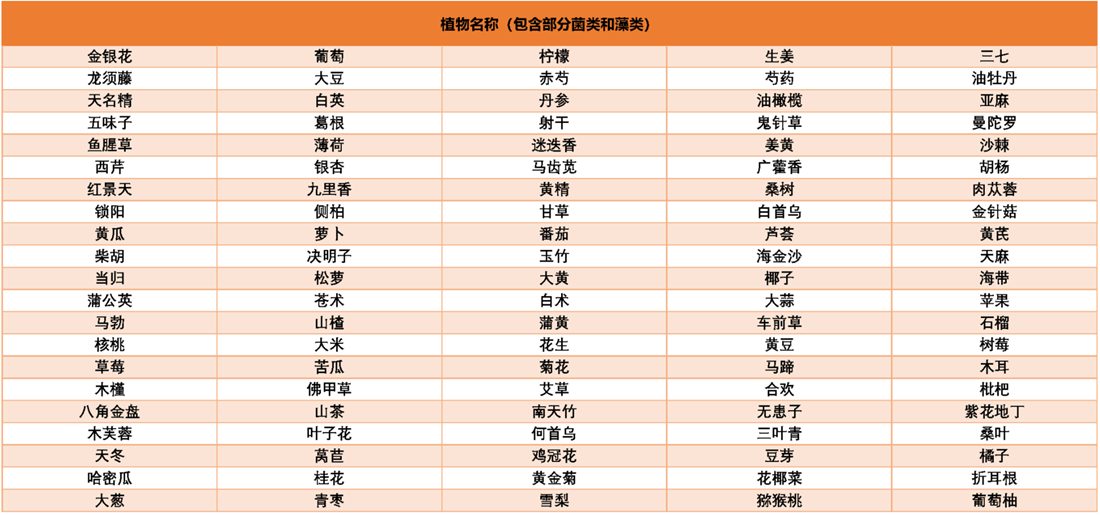
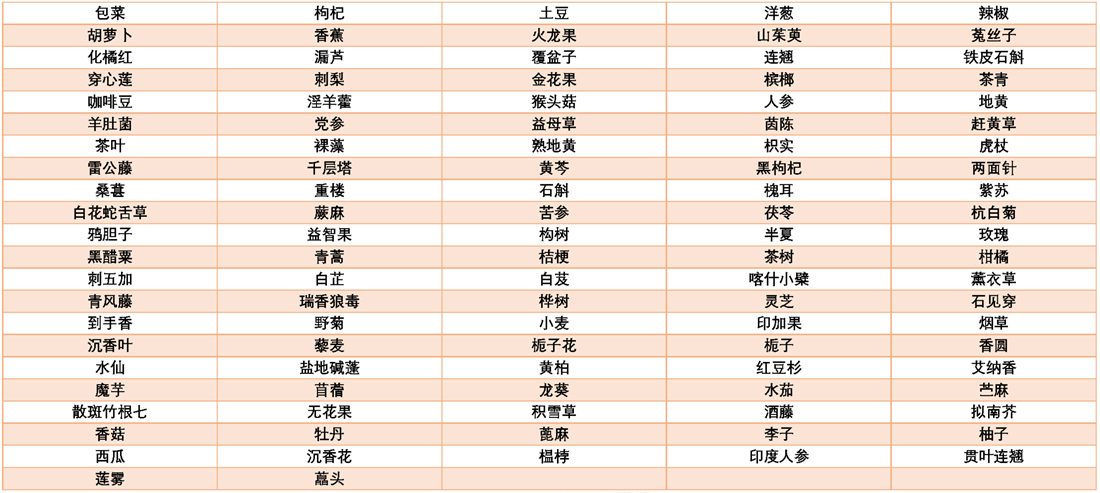

Lifeint provides EV research and application services from sample preparation, isolation and characterization to omics, functional studies, modification and scale-up. It jointly established a biomedical technology centre with Xiamen University School of Pharmaceutical Sciences, built process-development laboratories to GMP standards, and contributed to an EV expert consensus. Its service records cover more than 300 plant species.



Scan to contact us on WeCom
